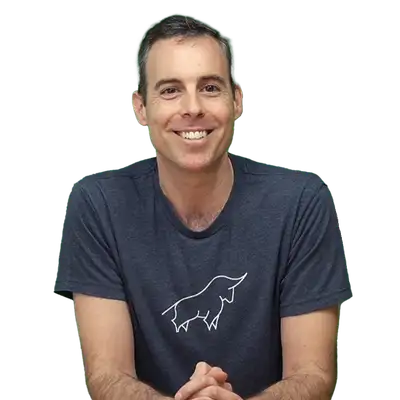
Interview with Garrett Drinon, SMB Capital
Alright, everyone. Welcome to another episode of Line Your Own Pockets. We have a guest today. We have a senior trader from S and B Capital. Garrett, nice to meet you.
Michael:I actually have a story I'm gonna start with. For S and B Capital, I took one of your guys' courses ten years ago. I tried to find the name, but it escapes me. It was I think it was modeled after the Playbook book, and it was like building your own playbook. And it was after I had left the trading world to work in the hedge fund space for a while and I came back and got beat up immediately.
Michael:I'm like, okay. Maybe I should go back to education, and took that. So that was when we were preparing for this. I remember I remember doing it, and I got I did a presentation, the whole nine yards. So it was cool.
Michael:That was kinda my introduction to you guys, and I've been following along a little bit on YouTube and and everything ever since. So welcome. Thanks for coming to hang out.
Garrett:Thank you. Well, it's great to meet you, Michael. Dave, it's great to see you again. I see you all the time now, which is amazing. And, wow, ten years ago you took that?
Michael:Yeah. And it was one of those I'm like, how long ago would that have been? And it would have been before I started at Trade Ideas and that would have been, I think, 2015. So, yeah, ten years ago plus. Yeah.
Michael:Bella was teaching the course and and everything and Shark was there and and the whole crew and I wish I could go back and find, like, the presentation, everything I got and see what I looked like when I was young four children.
Garrett:Yeah. That's great. That was before I was there. Did you learn anything?
Michael:Yeah. I thought it was great. It was, you know, it was a it was a good kind of basic refresher, you know, about, you know, starting the importance of building a trading plan and and all this. Like we talked about a lot on the show, I started my trading career in the prop space in 2006. So back before computerization of the market.
Michael:So we basically just bullied the market maker around. I don't even really consider it trading. It was more games where people actually like showed their size and things like that. And then I had left for a while to work in the hedge fund space. When I came back, of course, I thought, oh, I'll just go back to doing what I was doing before.
Michael:And, you know, you you go away from the market for ten years, you come back, you realize everything is completely different. So a nice little good intro to to get me back into it, I think is exactly what I needed.
Garrett:It was a lot of tape reading back then, wasn't it? Like a lot more.
Michael:Just Cloud. When when we sat down, you weren't allowed to look at a chart until you had made a certain amount of money and they didn't give you a mouse. It was here is boring. Like the most boring stocks back in the day, General Electric and El Cajal Lucent, which didn't even exist. And it was the game of buy the bid, sell the ask, make the credits, be gross even and try to be up on credits and then leave.
Michael:And yeah, it was I'm kinda glad I don't do that anymore to be honest.
Garrett:That was back when there was like there were stocks with like 5¢ spreads. Right? Like permanent 5¢ spreads.
Michael:Yeah. Yeah. And uptick rules for everything, pretty much. They were just experimenting with removing the uptick rule when I had just gotten started. And yeah, that firm, it it did great until the moment the computers came in and all of those games stopped working and you either moved on or or you got booted out.
Michael:Those were kinda those were kinda your two options.
Garrett:You gotta adjust. Right? I mean, I feel like it happens over and over. Like, one of my favorite traders to kinda follow and, like, read read her books is Linda Radzke. And, like, I just love hearing the stories about how she started in the pit.
Garrett:And she was really good in the pit. And that's where you have to apparently, you know, read body language, and you're hearing the volume of the crowd, and and you build relationships. And then all of a sudden, computers came in, people started moving upstairs. You're using charts and indicators, and some people just died out. And she was able to just jump right in and figure out all the technology and come up with computer indicators and start back testing, and then she became great at that.
Garrett:So for that reason, she's one of my favorite traders because, you know, I think that we're always probably running into that as traders if we kinda wanna stick around, like now with all this AI stuff. Right? So I think it's pretty important.
Dave:So I'll I'll mention how I met Garrett. So Bella, put me in touch with you and said, Hey, you guys should talk. And I think, I don't know. I think we talked in the office in the SMB office there first. And then I think I was coming up, I had made another trip up there and we had coffee.
Dave:And I think we've had at least two, maybe three coffee sessions, on those trips that I've made. And I just remember having some really great back and forth about trading. Like, we it was like an almost like an intense hour long coffee where all we talked about was trading. So, yeah, you're one of the ones every time I go to New York, I always like to schedule a coffee with you and just talk trading. So I wanna hear, first I wanna hear, like, how long have you been at S and B?
Dave:Were you there when Michael took the course ten years ago? Where did you what were you doing before you came to S and B?
Garrett:So I started around 02/1718. So after Michael was there. And funny enough, I was in the music business before I started trading, at least trading professionally, because I'd always followed the market, but it never felt like my focus. It was always something I was interested in. And I would always manage a portfolio even when I had no money.
Garrett:You know, was paper trading and just like super interested in it. But because of that, it was never day trading. It was always, you know, position trading and and learning the the Bill O'Neil stuff and like following the leaders. And Mhmm. So I learned a little bit about, you know, kinda like the macro interrelations, you know, interest rates and why does gold move, and why do the different sectors move, you know, during certain points of the interest rate cycle and and all that boring stuff.
Garrett:But it's super I found it super interesting. And so I was I was a guitar player. I, you know, majored in English and music in college. I was part of a group that was fairly successful in college, so we took it to New York, and then that turned into, like, two or three other projects. And before I knew it I mean, I grew up being an athlete.
Garrett:Before I knew it, I was like a full blown musician in New York, like touring and recording. And I had a marketing sales job at a music company based out of New York. Was very good, and it was awesome because they understood when we when we had to go leave and go on tour and stuff like that and come back. But, you know, at some at a certain point, the music stuff started to dry up. And, you know, you're you're putting a lot into that when you're serious about it.
Garrett:I mean, it's just like any other kind of performance endeavor. Like, not only are you practicing all the time, but you're rehearsing, like, every day after work and going on tour and all this kind of stuff. So when that ended, I had all this free time. Like, I was like, what is going on? Like, I I was like, was a normal person again, where I was like, what am I gonna do?
Garrett:What am I what am I working on? Right? Naturally, all of that time just got filled up with me just getting more and more and more into the market. So I kinda took that hobby, and it turned into an obsession. And I just started reading everything I could get, and of course, like, Market Wizard books were, like, the first things I read, and reminiscences of a stock operator, and I was just hooked.
Garrett:So I started learning everything I could to the point where I was like, I just I wanna do this. I don't know how. I don't know how I'm gonna even get into this industry. And this was kinda before it was, like, popular to, like, be a trader. Like, I feel like there's a lot more of that now where people are you know, because of the Internet and everything, you know, and and people are self sufficient and can kinda find a lot of information on their own now.
Garrett:Back then, I was like, am I gonna have to try to, like, sneak my way into a hedge fund? Or, like, what how does someone even do that? Right? So I'm like, okay. Maybe I can find some job in the industry that might not be trading, but maybe I'm near traders and maybe I can meet people.
Garrett:So I was just kind of fishing around and I found this ad for traders posted by Kirschner Trading Group, which is, of course, our company that SMB is is with. And I answered the ad. I answered a bunch of questions, and they invited me in for an interview. I ended up talking to Mike. I ended up talking to a desk manager and a few other people, and I didn't expect to to get an offer nor did I even really know what I was getting into.
Garrett:Like, I didn't understand yet what, like, the prop world was like or what, like, day trading was like. All I knew was that I loved trading. And I there was a certain style and area of the market that I could talk about, but there was a lot that I didn't know. So once I got there, it was like, oh, wow. Okay.
Garrett:So the open has a lot of volatility, a lot of volume, and there's this thing called VWAP and, you know, bids and offers and timing and all of this stuff matters. And and, of course, like, the whole world of day trading, like, opened up as well as the stuff that I kinda carried with me, which was the the bigger picture context stuff, which I think is something that, like, I always kinda had.
Michael:That's it's musicians and pilots for some reason. I hear a lot of people I'm talk I've talked to, you know, David Keller, I know used to pilot and and Dave Mabe headphone manager. It's interesting. It seems like from some of the things that I've listened to with other traders that some experience outside of trading seems to actually help. Funny enough, lot of the best traders I know didn't start with MBAs and finance and and studying this stuff.
Michael:So do you think there's any kind of crossover there? Anything that maybe SMB saw to from music to to the trading side of things? Or do you think it was just you had the passion and that's what they were looking for?
Garrett:Yeah. I mean, I don't know exactly what they saw because I'm not I'm even to this day, I'm not part of the hiring process. But, I mean, yeah. Think with, I mean, trading is a performance endeavor, and
Michael:I
Garrett:think that anytime you have some sort of history in your past of getting good at a very specific thing that's particularly like a performance endeavor, whether that's like a sport or music, I think it can really help because you've gotta draw on something. And this is actually something that like, to this day, I try to draw on it more. I don't think I draw on it enough. Like, I'm trying to draw on my past more. Like, like, what is that feeling to be really good at something?
Garrett:Right? Like, I remember practicing the guitar so much that it it just became, like, part of my body. Right? So, like, when I had to play with a band or improvise or come up with stuff, like, I wasn't thinking about the interest the instrument. I wasn't thinking about what notes I was gonna play.
Garrett:Like, it was just coming out of me. And I was listening, you know, receiving the information, and then I was, like, expressing. And and that was it. And and that was kind of the goal. And I had so much confidence.
Garrett:Like, would just walk up there, and I would just be like, you know, whatever whatever note I play is right. And so I I do think that, like, if you've experienced that, I think that's a good thing in trading because you kinda need some of that because it's a it's very similar, you know, and and even to get more specific about that, I think, like, with music, for instance, like, you do all this work to study the music theory and, like, all the different modes and, like, how, like, notes relate to each other. And and, essentially, what it is is it's a system. Like, you're being systematic. Like, you understand that when the band is playing in the Dorian mode, like, you know what notes you have at your disposal, and you know if you're gonna play other notes that that's kind of breaking the rules.
Garrett:If you're gonna do that, you're gonna be very intentional about it. So you're working within a systematic framework, but at the same time, like, you need to kinda get so good at that system that you're that you when you're playing, you're just you just forget about it all. And it's just happening, and all you're doing is listening. Like, all you're doing is listening to the band and interacting. And so when we trade, I know that I'm at my best when I'm able to just listen to the market.
Garrett:If I'm just sitting there, not thinking about myself, not thinking about that terrible trade I made yesterday or whatever I have to do after the market, If I'm just listening to what the the market is telling me in a very calm and peaceful way, then I'm in a good place and I can trade well. When I start thinking too much about myself, like bringing the ego into it, bringing in anxieties or fears or hopes or whatever, whatever emotion you have, if anything like that takes me out of being able to hear what the market is saying, like, I'm I'm not gonna trade very well.
Michael:But that's what us humans call the zone, but I know Dave's itching over there and saying, what's this what's this feelings stuff? What's this, this mental stuff that you guys are talking about? Get out get out of here with this stuff.
Garrett:You know, it's like we don't need that when we're automated. Right?
Michael:Yeah. Just do more robot stuff. You know, you don't need
Garrett:a feel.
Michael:Get out of here.
Dave:So, yeah, I wanna get into that in a minute, but I wanna so so which what sport did you play? You said you were an athlete.
Garrett:Yeah. So I I grew up playing basketball heavily. Like, my dad was a very successful coach in New Hampshire. Coached a future NBA player in Matt Bonner. Grew up playing with him.
Garrett:And his teams, like, they were older than me, but I used to hang around because my dad was coaching and became, like, quite quite a good high school basketball player. Didn't play at the next level, but I did row in college because I was on the crew team in high school and that kinda carried over into into my my college career.
Dave:Yeah. So mean, the way I think about your, the way you've described your career and your background and where you are now, I think it's a little bit different than some of our listeners because a lot of people are trading really on their own. And I think people that have had experience on a team, I think they have a different perspective about how things can work and how you can fit into a team. And certainly with, on a basketball team, but also in a band, like you, weren't, you know, a one man act, right? You were in this band that had to work together and the product was the band, right?
Dave:The music that the band played. So how did you, could you talk a little bit about the, the, the team experience that you've had over the years and how that has given you a good perspective to join S and B where there's a very strong team culture and how that might differ from a retail trader looking from the outside into S and B and saying, wow, what's it like to trade there with a team?
Garrett:Yeah. Absolutely. I mean, first of all, like, when I look back at my music career, that even even having a sports background, that's something I got a lot better at as time went on. And when I look back on it, even now, I'm like, oh, man. There's so many things I could have done better when it came to that because there's always that ego.
Garrett:Right? Like, with musicians. Like, musicians are the worst when it comes to ego. Right? Because everyone wants to be, you know, like, okay.
Garrett:If I'm the guitar player, there's gotta be a solo in every song and all this kind of stuff, and, like, where's my part? And who's writing it, who's writing the song, who isn't, and people get caught up in that. For some reason, the arts tend to, from my experience, attract that kind of thing, versus, say, sports, which becomes very democratic, very team oriented, like, from the get go. And when I think back, I'm like, man, you know what? The only thing there is is the song.
Garrett:Like, it doesn't matter how big of a part I have, no matter how good I am, the song is the only thing that matters. Because that's what's going to translate to the audience, and that's that's our expression. So if it means that I that I only play two notes and come in on a couple points, and if that's the best thing for the song, then great. If it means that this is my moment and I need to carry it, then that's great. And I think that just having that removal of ego is like a huge thing for a team, and it's become one of my strengths.
Garrett:I mean, it it's definitely one of the things I'm best at. Like, at with trading at the firm, like you said, we have a big team culture. I'm great on a team because I I could care less, you know, whether my idea comes through or not. Right? It's all about let's combine our brains and come up with for the team what is the best idea.
Garrett:Right? Let's, like, take the temperature of, like, the common thread here, and if everyone is seeing something in a certain way, that's probably really meaningful, and let's express that. Let's also accentuate everybody's strengths. Like, everyone's gonna have totally different strengths, those are gonna come out at certain times, right? You've got a point guard, you've got a center, they're good at different things.
Garrett:Traders are good at different things. Some people are great idea generators, but then some people are great executors. And they might be totally different things, and the executor might not have those ideas. The person who has those great ideas might not be able to execute them in the same way. So it becomes about, like, how can we lean on the different strengths within the team?
Garrett:And and even furthermore, like, you could have some people who are specialized in a certain setup or or play, and then some people who are really good at different plays. And you've got different traders, like, teaching other traders these different setups, and that just strengthens the team. And so I again, kinda similar to to my first point about music, it's like removing the ego is, like, really, really, really important in my opinion.
Michael:Do you think the the sports thing was thinking when you said, right, sports translates easier to teams than the music. Is it just because it's sports you've got like the that, like, head authoritarian guy? You got the coach and if you're not playing as a team, he's gonna come slap you where usually bands come together. Everyone's more or less equal at the start. So there's just a lot more, you know, battle and infighting.
Michael:So, you know, translating that to training when you're building a group like that, it it is there one guy who just is the decision maker and runs the show and make sure everyone else is kinda staying in line?
Garrett:Yeah. I mean, think there's something to that. It might be more nuanced and complex than just that, but the fact that teams temp tend to be organized in sports. I think you you learn that from a very early age. Like, the people that I played music with who grew up playing sports, you could tell there was a huge difference in how they navigated the world versus the people who grew up just as musicians never played sports.
Garrett:There's there was just something about it, and this might be controversial. There are absolutely going to be exceptions to the rule. Please don't get mad at me. But there was just something about the people who didn't play sports were thinking about themselves a lot more than the people who did.
Michael:Don't worry. No one no one will get mad at you on the Internet. That's not the internet doesn't get mad. Right. Say things off the cuff by any means.
Michael:Yeah, exactly.
Dave:Yeah, I think that's totally true. The when you dedicate yourself to a team, it's a different thing than doing it by yourself. Right? And I think by yourself, at some point you realize, okay, there's a limit to what I could do by myself here. When you have a team come together, you share ideas, but a big part of the teams that I've been on that have been successful, Everybody has a mindset of, okay, what can I do to make the team better?
Dave:Like what can I do to, to make somebody else better? You know, it's a, it's a feeling that culture does come from the top, but you need key people to sort of recognize that that's, there's a lot of power in that. How do you, how do you think that works at SMB with the team culture? Talk a little bit about how your, the teams are divvied up. Do you, how do people decide who goes on what team?
Dave:How do the do the teams differ? Can you shed any light onto that?
Garrett:Yes. There's there's a there are a couple different ways that it happens. So one of them is very organized and deliberate. So when you go through the developing trader process, and perhaps even, you know, the internship or however you kind of enter into the firm, you know, you're learning the fundamentals. Right?
Garrett:You're learning from Jeff and different traders, you're going through that. When you graduate from that level and get an official spot on the desk, like the next step is to join a team. And these are official teams led by top traders at the firm, and they're really seen as mentors with a number of traders underneath them. And so you're basically applying to these teams. And so like, I started trading on team K Fitz, you know, pretty early on.
Garrett:And I've been with him ever since. And I'm still on this team. And Kfit is an amazing swing trader, like, at understanding market environments and and and switches in those market environments and and training the leaders and the different sectors and really great at context and and higher time frame stuff. And so I learned a lot of that from him, and I still do. The other way that it can happen, and there are a number of those teams.
Garrett:Of course, can be on Shark's team or Swang's team, and they all have different sort of emphases based on who the leader is. The other thing that happens at the firm are these sort of partnerships that occur, where you might be working closely with a few other traders. Maybe you're working on a project. Right? And it happens naturally.
Garrett:Maybe you're starting to back test certain setups together. Maybe you're communicating during the day about certain setups together. And you start to build a relationship that way, and then you go to the firm and make a case for opening a joint account. And so now you're trading together. And so those teams will form which are a lot more sort of homegrown, and they're not so much like a mentorship team.
Garrett:They're more of like a team of equals, you know, basically joining together and trying to make more money.
Michael:That's interesting. The partnership thing, think it's one of those, man, I I could see it going bad in bad times, but it the if you pick the right partner and you pick the right team, I think that would be that would be huge. So are you looking when you're looking for teams, are you looking for complimentary, like someone who I I like their trading style. I like their methodology, the way they do things. Or are you looking more for different?
Michael:You know, like, I'm a day trader and and this leader is a swing trader and I wanna learn a little bit more about that. You know, is it more of yeah. I'm I'm like like meets like. I I wanna find a style that makes sense to me or is it just more I'm I'm looking to expand my wings into different strategies or different time frames or different styles or something like that.
Garrett:So when you're joining a mentor team, like, think you want to look for a mentor who really speaks to, like, what you're excelling at, and with the kind of the direction that you're going in. But when it comes to these, you know, joint accounts in these more homegrown teams, I think that you want to be trading a common playbook. Like, you want to be fishing in the same pond, but you want to be looking for different strengths. Like you don't wanna have everyone thinking the same way all the time. And you don't wanna have one
Michael:quant, one discretionary trader, that kind of thing or just
Garrett:Exactly. Yeah. So you like you might have a team where somebody is like amazing with the technology and is able to back test all these ideas. And then you might have somebody who's just like really good at at the sort of shorter term execution stuff, and they can they can get in and out really easy. Right?
Garrett:You might have somebody who is great at coming up with ideas. Right? So that's kinda what you wanna look for when you're doing that because then now you're you're bet the whole team is better than any individual.
Dave:So Garrett, thinking about back on your career at SMB, what do you think are the biggest inflection points or, like, things that you've learned that you feel like were turning points in the way you trade, or the way you think about the markets, or something related to that?
Garrett:Yeah. I mean, I would say, like, there there are there were two. One was sort of a time frame thing. And this was, you know, again, like, I got put on team K. Fitz, and he's just so great at zooming out and swing trading and holding positions.
Garrett:And when I started, I was I was trading a lot of breakouts. Like, it was probably a good market for it. And, you know, it just it spoke to me, and I started finding success there. But, you know, when we start out, it's a lot of intraday trading. That's kinda like the way that this that that we teach.
Garrett:Right? Because it's like you get a lot of feedback when you're taking a lot more trades. It's very hard to be like, well, you're gonna hold these trades for six months, and you're gonna review them and then be good after, like, a couple weeks. That's not that's very difficult. Right?
Garrett:So there's a lot of tape reading. There's a lot of intraday dynamics that we're learning when we show up on the desk. And so you end up doing a lot of day training. So I was trading these breakouts, but these breakouts had a lot of higher time frame context to them. Like, they were really, like, day one higher time frame breakouts, but I was trading them intraday.
Garrett:So I would buy the breakout, and I'd be like basically scalping that move intraday, or maybe holding a piece, but getting out before the close. And I went back and started reviewing all these trades that I was taking. And by the time I, you know, went back and and maybe I'd been doing this for three or four months, I started realizing that all of these trades that I had bought and scalped on day one, like, continued for, like, you know, five, ten, fifteen days on the daily chart. And I'm like, wait a second. Like, I thought I was doing well here.
Garrett:I can't believe how much money I left on the table. So I just started thinking about how I could turn some of these into longer holds, and I just started by just holding a small piece. Right? So I might just take five or 10% of that position and just hold it that way there. There's no, you know, you're not kinda over your skis, and you get to sort of build a process around that where, okay, this is how I'm gonna trail it, like, is how I'm gonna manage the trade, and I just started doing that, and then that really grew into, like, one of the core businesses that I trade now.
Garrett:And so it really wasn't until that point that I started to see my p and l, like, meaningfully increase. And, of course, that's a very, like, market regime specific thing to be doing because you're not gonna be doing it all the time. But that is one of the things that I that I really grew into. And, I mean, definitely had some road bumps along the way that that forced me to get, like, way more systematic in terms of Oh, go ahead.
Michael:The more you talk, the bigger my smile gets. Because
Dave:could I could see Mike
Michael:smiling over there. Could tell exactly So so Dave is a a staunch day trader, just will not. I don't think I've told him the joke yet, but I think the joke I always have in my head is that he won't even hold his wife overnight. That's how that's how he won't. But I I'm I'm the complete opposite.
Michael:I'm more of this, you know, five day swing trade to kinda multi day, multi week thing. So that's just why if if the audience was wondering why I had such a a grin on my face. Yeah. It was finally.
Dave:It started small and then I could tell it's getting wider and wider the whole time.
Michael:I got one on my side. So this is my quest for the podcast is I'm going to pull Dave over. I keep talking about trading per hour markets. I keep talking about all these things that are just gonna nudge him into. And then once I get him to hold his first trade for like a week, then I'm like, alright.
Michael:My job here is done. I can I can can end it?
Garrett:Know this about Dave.
Michael:Know it's it's interesting because I I hear that quite bit with traders that even more than trading style, it seems like time frame is huge. And I don't know if it's I always go back to the Thinking Fast and Slow, Daniel Kynerman, the the book there is a great book, but it just talks about how different people's brains kind of function in different time frames. So it just yeah. That's why I had that grin because I'm like, I did the same thing where I was because I had initially day traded when I came back to the market, I was always thinking, okay, day trading is is kinda the only way to go. And as soon as I had switched to the swing time frame, that was my first light bulb moment as well.
Michael:Now now that I've been going down the systematic route, I do a bit of both. But, yeah, it was just it's it's cool to hear kind of the same story of time frame being even more important than because I think most people, when they're struggling, they think, oh, I just need the right setup. Right? If, you know, if I understand the the right opening brain break way to trade or something like that, then then I'm good. But, you know, a lot of people don't think of maybe you're just someone who's not accustomed to or or thinks in the way that a scalper would or maybe you're someone who, you know, your win rate is gonna be very low with the style of trading you have.
Michael:So you have to really make a bunch on the winners and then that can be done by hold time. But, yeah, this time frame being more important than I think a lot of people consider.
Garrett:Yeah. Absolutely. I mean, I I like to do both. I find a lot of value in both. I think that it's very market environment dependent.
Garrett:Like, I'll find myself systematically shortening my timeframe during some market environments. Like, if VIX spikes and we're experiencing a lot of volatility in both directions, it's really hard to see around every corner or see two moves ahead. But when we're in a, you know, directional bull market where stocks are running, it's it's a little easier to to hold positions. So I try to just be a trader, but I want to be able to develop those tools to kind of have those playbooks, like, at my disposal so I can I can use each? And I think it just comes down to, like, like, how are you seeing the setup?
Garrett:Right? Like, I know a lot of times Tim and I talk about this, and Dave, you know Tim. We've talked about this a lot, where you see a setup and the way you see it is not the way you're trading it. Like, you're trading it on the wrong time frame.
Michael:Mhmm.
Garrett:And that still happens to me sometimes, but a lot less than it used to happen to me a lot. And and it's something that we had to really study and and kinda acknowledge and kinda build into our process together. And and we still talk about it a lot. Right? Because there might be a price level.
Garrett:And we might think that a stock is going to make a move if it holds above a price level. But that's like not enough. Right? It's like, well, what what time frame is this happening on? Because that's going to inform how how much time it's gonna take for this to work out and where the stop might have to be.
Garrett:And even if you're trading options, like, where when's your expiration? Like, what what do you think about the volatility and and the potential of that volatility? Because if you think that it's gonna explode above this price level, well, it might be the kind of trade where you're probably gonna get a really explosive move for, like, a day or two, or it's gonna slowly kind of work its way higher, but maybe trend for like a couple months. And those are two very different trades. And one of them you can take advantage of a lot of volatility with options, like, right away, and you're gonna wanna be probably quicker with your exits.
Garrett:And the other one, you're probably gonna wanna have, like, a much wider stop, and you might wanna trade it with stock or longer dated calls or or puts, whichever direction it is. And we used to do things like review a trade and be like, wow. Okay. So bought it here and stopped out here, and now the trade is absolutely working just like we thought it would. And it's like, well, what what did we do wrong?
Garrett:Well, we we got the time frame wrong. Like, we thought it was gonna work really fast, and really, this was a much, much slower trade. And so I that's a big part of of what I try to do well and what I've had been forced to kind of study and and get down over the years.
Dave:Yeah. I call I call that often, like, you're hitting foul balls, but you don't realize it. You know, like in baseball, you can make contact with the bat on a ball, but if you hit foul balls like there, it doesn't, I mean, you feel like you're doing something, but it's not what you're supposed to be doing. Right? So there's when you're in a situation like that, sometimes it feels you know, something about it doesn't feel quite right.
Dave:And to get things aligned and timeframe, whatever the filter, like whatever your whatever's true to your trade, there's definitely a different feeling. And when you're hit foul balls, sometimes it you can't really put your finger on what exactly the feeling is about why. So tell me, tell me when you got into systematic trading and back testing. I mean, you're the host of the Bionic Trader, webinar at S and B, which is great. And I do a bit on there every month.
Dave:So how did that whole thing get started? How'd you get into it?
Garrett:Yeah, we have fun there. Yeah, so like, I mean, it really started, first of all, like, when I I started as a discretionary trader, and as people say discretionary trader, I always put that in quotes, because it's really hard not to be systematic. I kinda I don't know if many people think of it this way or not. This is just kinda how I think of it. If really fully discretionary and not systematic whatsoever, then you're just trading on vibes.
Garrett:You're just trading on gut feel, and that's it. I don't know anybody on our desk who does that. I'm not saying people don't have great feel, but I don't know anybody who doesn't have variables for their trades that go into them that either make them like a plus or b, you know, that that go into the quality of the trade. I don't know I don't know anybody who doesn't have rules for, like, when they buy, when they don't, how they're gonna manage a trade, and all of that is systematic. So it's really hard not to be a systematic trader.
Garrett:So if that's the case, if you're not just trading on gut feel, then I think it pays off to get a really good system. And there was a swing trade that I put on, I don't even remember what year this was. It was a it was a massive IWM breakout. Beautiful long base. It's probably at the 2021.
Garrett:Right? This is this is like we call this, like, the last breakout. Right? This was before the whole market turned over.
Michael:But it was it was a I'm envisioning on the chart. I think I know exactly what this trade I think I was in this trade, so I know how this I know how this ends.
Garrett:It was a wonderful chart pattern and breakout with volume, caught it perfectly, and, you know, I'm thinking, okay. Like, this is this is an a plus trade. I gotta hold it. Yeah. I had all kinds of of dreams about this trade.
Garrett:Right? Like, when you really see something line up like a fat pitch, like, you're thinking about the potential. And of course, like, as traders, we have to get good at at some point, like, detaching ourselves from that potential when things start to change. And so that's where, like, the psychology kinda comes in, and this to me is sometimes where the systematic stuff comes in is to, like, overcome some of that psychology that we naturally are subjected to as humans. And so I'm I'm thinking this is this thing's going to to the moon, and I have to hold this.
Garrett:I have to see it through. This could be a very big trade. Up decent in it right away, you know, day one, day two, day three. And then all of a sudden, like, the breath started deteriorating, and IWM pulled back, and things started to act not quite as well in the overall market. But this breakout was just getting started, so I'm like, okay, well I gotta hold.
Garrett:It pulls back to 10 and then the 20, and I'm like, well, I'm not gonna get out here, because this is the twenty day moving average. I'd be buying here if I didn't get out here, so why would I get out here? And then it takes out the 20, and then I'm like, well, it's gonna retest the breakout level. I'd be buying it here, why would I get out here? That whole, I didn't sell at the high, so why would I sell here?
Garrett:You're finding all kinds of reasons to stay in the trade, and then I think it was over Thanksgiving, I woke up, it was the day after Thanksgiving on that Friday, and the whole market had gapped down. I mean, IWM gapped down like 10 points. It was some like coronavirus variant news or something that ended up being nothing, but it went way through my stop, gapped down. You know, it was at the breakout level, and then way through it overnight, and I ended up turning like a big win into a big loss. And that was kind of the moment where I was like, alright, I need to be way more systematic.
Garrett:Like, can't let that happen. Like, all of the thoughts that I had were meaningless. Like, I need to be able to have a system that doesn't give a shit what's going on and just absolutely get like, keeps me in the winners and gets me out of the things that aren't acting like winners. And it's pretty simple. I just, like, employed rules for when it closes below, you know, certain levels, certain moving averages, I'll cut half on a certain setup.
Garrett:Right? So I started going through all my setups and documenting, okay, these are these are the ones that work really well, and this is how they usually act for this particular setup. So, okay. Well, they usually hold this. They usually do this.
Garrett:They usually do this. Well, okay. That's what I'm gonna expect out of these trades. And if they're not doing that, then I'm gonna come up with systematic reasons to start reducing the position. And just going over, like, hundreds of these.
Garrett:And around this time, I was working with Tim, and we were developing an earnings strategy. And this was a, like, day one earnings strategy, and we started studying all of those, like, big earnings drift winners that would, like, run, you know, off of earnings and just asking ourselves the question, like, hey. What's the common thread here? Like, why does some of these just run for weeks and some of these don't? And so we got a big spreadsheet together and started doing the same thing.
Garrett:Like, being like, okay, when they really work, how do they act day one? Do they usually take out that day one low or not? Where can you reasonably put the stop, and how can you manage these trades so that you're maximizing these ones that are really working and then you're cutting your losers? Sure. We, I mean, we got tons of data together, and this was really primitive.
Garrett:Like, was before we really got into coding heavily. Like, I was messing around with some models with Nick and stuff like that, But we were doing all of this on, like, Google Sheets and just manually going through charts, but it was still, like, very, very systematic. And Tim was going through all the earnings reports and figuring out, like, what what kind of beats and what kind of revenue growth, you know, were these and and all of that kind of stuff. And we developed a strategy around this, and we decided to because it was so systematic, we kinda looked at ourselves and said, well, you know what? Like, we have so many rules now that we could probably come up with a single stock script that just did this for us.
Garrett:As long as we decide which one to take, we can now have a script that probably just trades this for us, because everything is a rule. And that's what we did, and we started trading this. And it, you know, it did pretty well. And that's what got us into that's what got us into automated trading. Like, we just got more and more like, that turned into, like, fully automated models.
Garrett:And then we Tim and I just started working together, like, every day, and we got way into Python, like, learned I mean, we we kinda came at the firm, like, not really knowing how to code. And, like, by the end of that, like, we knew were, like, writing Python, like, left and right and just coming up with all these these back tests and stuff like that. So that that's really how it happened. Like, those two those two strategies got me got me very systematic.
Michael:Well, that that just seems like the natural progression and, you know, for the audience. That's kind of, I think, if you're a discretionary trader right now. I agree with you that there is no such thing. It's just systematic traders in denial or or or people who aren't aren't making money. Those are the only two.
Michael:But, yeah, it's it's everything that you you do with discretion. Your next thought should be how do I turn this into a rule? And then eventually, once you have every bit of the trading strategy as a rule, then the question is, well, why can't a robot do it? Right? And, you know, it just it it's a it's a pretty straight path and that's kind of what I like about it is that, you know, why did I take all these trades?
Michael:What could I, you know, make these as as really kind of linear type of rule sets and then go from there. Like you talked about now with the world of AI, I don't even really need to know the coding part as much anymore. You need to know enough to validate and make sure you're not being lied to or hallucinated against or anything like that. But yeah, if you're taking trades, if you have a setup that works, I think that's just the mission is just to break it down into pieces and say, what of these can I automate? And the ones that I can't, how can I get close enough?
Michael:Maybe if if it's not perfect, how can I get some approximation of and then turn into a rule and turn it into a system and on to the next one?
Garrett:Yeah. Absolutely. And and and this is really where the the Bionic Trader meetings come in that that Dave mentioned that we do on Tuesdays as part of the inside access program. It's it's it's all because, like, I tend to I guess where I arrived is sort of walking that line between fully automated and discretionary or what people call discretionary, but just manual systematic trading. And and and the reason is is I just find so much all of the quant work I've done, like, the biggest value that I've found from it has spilled over into my manual trading.
Garrett:And it really has become like one thing. And now it may be because I just haven't found, you know, the full blown success that that Dave has of having like hundreds of models. Right? Like, we have a number of models that that run and that are profitable, but it's not like I've gotten to the point where I just have hundreds and that's, like, my entire business. Right?
Garrett:Like, we've we've worked out some models. They're great. A lot of other things we've done have just turned into single stock scripts or, like, alerts or filters or really good indicators that help us define these, like, systematic strategies that we have. And that's what we talk about in these Bionic Trader meetings because not everyone there is a quant or a automated trader. And in fact, I think most people are manual traders, but we talk about how can we use technology to define these things that are really powerful for our trades, to either create an alert or a market filter, find more of these setups, or even just define these trades.
Garrett:Like, if the trade needs x, y, and z, how can we define x, y, and z really well to trade these things better? And then if we're if we wanna go, like, all the way, of course, we can turn this into a fully automated model. But you don't have to in order to get something out of, like, what I would call, like, Dave's world, which is, like, you know, Tim and I have had so many meetings with Dave, and we've learned so much from Dave just, like, picking his brain about how to test strategies and, like, how to test different variables and what to do with all the columns in your backtest and and all of these things, which are just tremendously valuable, I think it's easy to look at that and be like, oh, well, that all sounds great, but I don't wanna be, like, an automated trader. I'm not an automated trader. I'm a discretionary trader.
Garrett:Well, I think that that stuff is equally valuable and powerful even if you're just a discretionary trader, and that's what I found. And, like, I'll give you an example. We had a fully out we still run a fully automated earning strategy, and we were testing this thing. And we found that one of the variables was so powerful that we had to make it into an alert in the morning that we still use. And we were really surprised, but it was I mean, basically, the percent of average daily volume that a stock is doing in the after hours in the pre market had a huge prediction value in terms of the kind of move that it could make during the regular trading hours.
Garrett:Right? It didn't mean it was gonna work or go up or down, as you guys know, but the bucket that had really high volume were the biggest winners, and the edge was just undeniably better when that average daily volume or percent of average daily volume was at least above 20, probably above 50. And so now we use that every single morning to filter through all of our earnings trades. Because if we're gonna read the earnings reports, I mean, sometimes there's, like, 50 earnings reports in the morning. Like, we can't possibly go through all that.
Garrett:We need some way to prioritize. So looking at this and saying, okay, like the other day, like INOD, INOD, was doing like more than a 100% of its average daily volume in the pre market. So we said, okay, well, is clearly standing out. Let's let's dive into the report, and then we ended up finding everything we wanted to see in the report. And that brings me to my other point, which is we found certain things, and I'm not saying it's not possible.
Garrett:I'm just saying we haven't been able to do it. We've sent we found certain things to be very difficult to fully automate or fully test. Right? And one of those things would be, say, the the actual, like, fundamental aspect of an earnings report because different things matters to different companies, and there's a lot of nuance in there. And not only that, but if you're fully automating it, you'd have to have, you know, some algo reading it, which, you know, in today's world is a lot easier than it was.
Garrett:But still, we've done a lot of work defining the, like, exact process that we go through when we're reading those transcripts. And that's a huge variable in our, like, day one earnings place. And I would even say, like, back when Tim and I started looking at the strategy when we had all the spreadsheets open and stuff, like, we hadn't even scratched the surface compared to, like, where we are now with this component of the trade where, like, we've gotten, like, a lot better at reading these reports and understanding, like, when it's going to be an inflection quarter, like, for that company. Now taking something like that, which is, like, fairly, like, discretionary or or manual, and then combining it with all of the the quant things that we've found from testing these strategies in the backtest, like, that's now kind of, like, our formula. And so it's, an exact hybrid of kind of, like, using that discretionary element, like, with the quant element to find how to maximize a specific setup.
Dave:Yeah, I love that. And I think it underscores the fact that, you know, most traders probably think about discretionary versus automated as this binary. Like, okay, here's the line, cross over it and you're automated. But it's a whole range. And the more you get into either area, the more it kind of feeds off the other.
Dave:And I love where you landed in this hybrid thing that sounds like it's like the best of both worlds, especially given the environment you're in at SMB. Alright. Probably, we could probably have room for, one more question here, and I want to I want to want to be a big one, because I'm curious about this. You've seen you've had a lot of experience playing basketball in a band at SMB. You've seen a lot of high performers.
Dave:You've probably seen a lot of performers come in and start off at a low level, but then really ramp it up and become really great. Is there anything common across those areas that you see, that you notice people turning from good to great? And specifically about SMB, like what are the things that for somebody who's a good trader now and trying to be really great, what advice would you give them?
Garrett:Yeah. I mean, I think the first thing that, like, anybody can do because, like, talent is the thing, and we don't even really need to talk about that because, you know, there's so much that somebody can do. That's very simple, doesn't mean it's easy. But I would just say, like, preparation is, like, the biggest one. And it's it's just that daily kind of diligent, like having your process to get better every day and to prepare for what you're going to do in the future because trading takes confidence.
Garrett:And you talk about this, Dave, even with the automated stuff. Right? It's like path to confidence, isn't that a Yeah, term that you path
Dave:to confidence, yeah.
Garrett:And so, I just think that if you're doing something every day to prepare, and visualizing where you wanna be in the future, and this is something that I still am trying to work on every day, Right? It's like I can't lose sight of this, like, in order to grow. Then, like, that's, like, square one. Right? Like, you have to you have to put the work in, and it's a lot of work.
Garrett:I think a lot of people think, like, they're gonna pick up trading so that they can, like, have all this free time and, like, like, go on vacation and not have a boss and all this kind of stuff. But, you know, you'll quickly find that, you know, you're working, like, way more than your friends with with nine to five jobs, if you're doing it right. So that's the first thing. I think the second thing is everybody who has really grown tremendously at the firm, like, from from my perspective, has really found what they're good at because there are so many different ways to skin a cat in this business. Like, there's so many traders on our desk that just do it in different ways.
Garrett:Like, there's not like, I always get a kick out of the people online who are like, they have, like, their thing or their way to do it, and they're just like, this is the only way to do it, or this is what works, and anything else doesn't have edge or is is stupid. And it and it's like, look. Like, there's there's different ways to do things. I see it every day, but the traders that that do really well and grow have, like, found, like, the way that works for them. And I think that, like, it it means they're they're probably comfortable with it.
Garrett:Right? It's, again, it's like an easier path to confidence when you're dealing with something that that really fits, like, your cognitive strengths and your personality. And so I think finding that is really important. And then I think, like, the last piece, which is something, like, I'm still working on. Like, I don't think I've, like, totally mastered this.
Garrett:I feel like I go in and out of this too much, and I need to probably stay in this, like, a 100% of the time. But it's it's just that that freedom, that mental freedom to like remove yourself, remove your fears and and hopes and all these different things, and to just live in the moment, and to just understand that like you've prepared, and that you know your setups and that you've got edge. So just let it play out. Right? And this is this would probably be like your argument for fully automated trading, but at the same time, like, even when fully automated trading, like, you still have decisions to make.
Garrett:You still have to, like, bump up that strategy or bump down that strategy or or sit through a drawdown. Right? So I don't think you totally escape it, but, you know, trading is trading can be an emotional endeavor where there are ups and downs. And I think just, like, having that that steadiness and that perseverance and that belief in yourself is, like, really important because it's not always easy.
Michael:Absolutely. Now listen, we could we could keep going forever. This has been great. It's probably already getting to the one of our longest episodes. We don't wanna keep you all night, and I hear a little bit of screaming going on in the background.
Michael:Bedtime's getting close, so we're probably gonna let you go. But first, where can where can people find you? Where where do you do work if if anyone's interested in getting ahold of you?
Garrett:Yeah. So on X, I'm just at Garrett Drinon, so, like, my full name. And then you can you can find us at SMB. So we run the Bionic Trader meetings every Tuesday, which is part of the inside access program, which is my favorite program at SMB because you get, like, 10 or 11 meetings a week from all kinds of different traders on the desk who are doing what I'm doing and talking about different aspects of trading. Like, mine's Bionic Trader, but you've got someone talking about scalping.
Garrett:You've got someone talking about options, and and I could go on and on. So those would be the two spots.
Michael:Well, again, appreciate. I hope we can have you back because I I knowing Dave, that was probably like one fifth of this very meticulous spreadsheet that he prepared. He probably had all the questions ranked by priority and like color coded. He laughs, but know it's true. But again, a great conversation.
Michael:I appreciate having you out. As always, I'm Michael Nauss.
Dave:And I'm Dave Mabe. We'll talk to you next time on Line Your Own Pockets.
Garrett:Thanks, guys.
Creators and Guests